Even experienced bakers have the occasional loaf that does not turn out quite as expected. The good news is that small adjustments can make a big difference. If you would like lighter crumb, better flavour or more consistent results, these practical tips will help.
1. Weigh Your Ingredients
Bread baking is far more reliable when you use a kitchen scale. Measuring flour by volume can lead to large differences depending on how tightly it is packed. Weighing your ingredients ensures accuracy and consistency every time.
2. Do Not Rush Fermentation
Flavour develops during fermentation. If you allow your dough to rise slowly, especially in a cooler environment or even overnight in the fridge, the taste will be deeper and more complex. Fast bread may be convenient, but slower bread is often better.
3. Use the Right Flour
Strong bread flour contains more protein than plain flour, which means better gluten development and a stronger rise. If your loaves tend to spread rather than rise upwards, switching to strong flour can help immediately.
4. Check Your Yeast
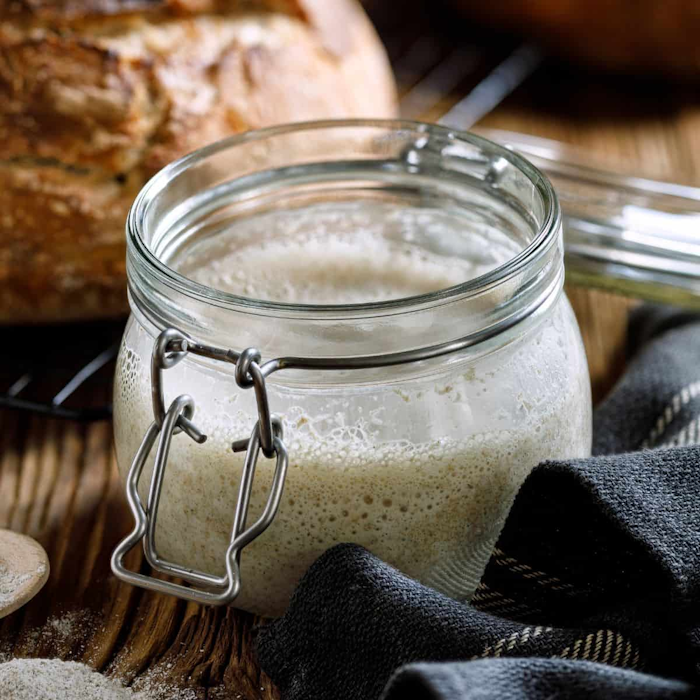
If your dough is not rising well, the yeast may be old or inactive. Test it by mixing a small amount with warm water and a pinch of sugar. It should begin to foam within a few minutes. If nothing happens, replace it.
5. Keep Salt and Yeast Separate at First
When mixing your dry ingredients, avoid placing salt directly on top of yeast. Salt can slow yeast activity if they come into direct contact. Mix them into the flour separately before adding liquid.
6. Pay Attention to Dough Temperature
Dough that is too cold will rise slowly. Dough that is too warm can over-prove quickly and lose structure. Ideally, after mixing, your dough should feel slightly warm to the touch but not hot. A comfortable room temperature kitchen is usually perfect.
7. Create Steam for a Better Crust
If you want a crisp, bakery-style crust, introduce steam at the beginning of baking. You can place a small tray of hot water at the bottom of the oven or spray water onto the oven walls just after putting the loaf in. Steam helps the crust expand before it sets.
8. Let the Bread Cool Properly
It can be tempting to slice into warm bread straight from the oven, but cutting too soon can make the crumb gummy. Allow your loaf to cool on a wire rack so air can circulate underneath. Most breads need at least 30 to 60 minutes to settle.
9. Use a Sharp Blade for Slashing
If you slash your loaf before baking, make sure your blade is very sharp. Clean cuts allow the bread to expand neatly in the oven and improve its final appearance. Shallow, confident cuts work better than hesitant ones.
10. Keep Notes
If you bake regularly, keep a simple notebook. Record the flour you used, the hydration level, proving times and the result. Small notes help you repeat successes and adjust when something does not work as planned.
Bread baking is a skill that improves with practice. The more attention you pay to small details, the more consistent your results will become. And even when a loaf is not perfect, it is still homemade bread, and that is always something to enjoy.
Happy baking.