You do not need dozens of specialist products to bake good bread. Most loaves are built from a small number of core ingredients. Once you understand what each one does, you can follow recipes with confidence and begin adapting them to suit your own taste.
Flour
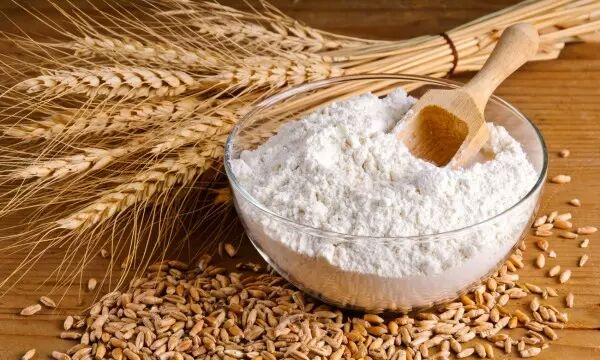
Flour is the foundation of every loaf. When mixed with liquid and worked through kneading or mixing, the proteins in flour develop into gluten. This stretchy network traps the gases produced during fermentation and allows the dough to rise without collapsing.
Strong white bread flour contains more protein and produces a well-structured, chewy loaf. Wholemeal flour contains bran and makes a denser, more textured bread. Many recipes combine the two to balance flavour and structure.
Water
Water brings the dough together and activates the yeast. Without it, gluten cannot form and fermentation cannot begin. The amount of water used affects the softness of the dough and the texture of the final loaf.
Temperature is especially important. Liquids should be warm, not hot.
- If the liquid is too cool, the yeast will activate slowly.
- If it is too hot, the yeast will be destroyed.
As a general guide:
- 38°C to 43°C if dissolving yeast directly in water
- 49°C to 54°C if adding undissolved yeast to dry ingredients
Using a thermometer can be helpful until you are confident judging temperature by touch.

Yeast
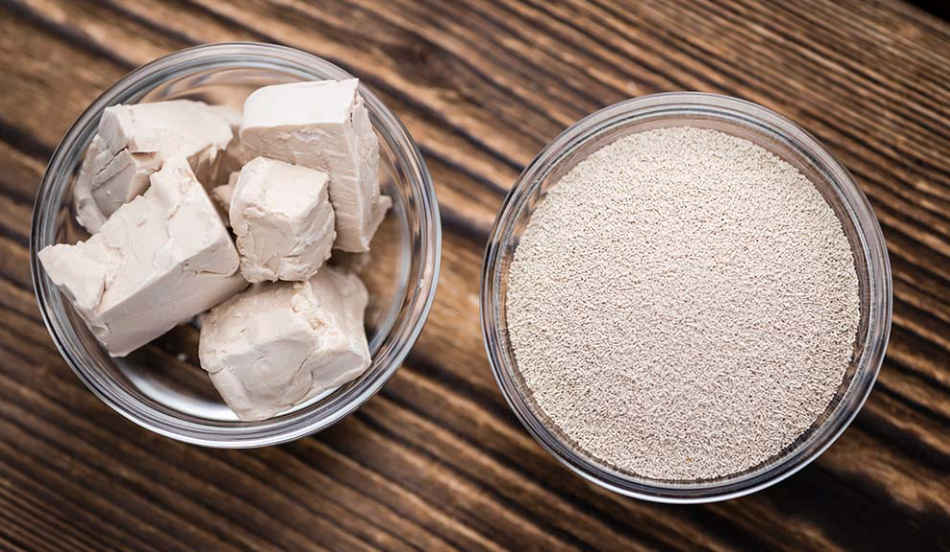
Yeast is the leavening agent in most traditional breads. These tiny living microorganisms feed on natural sugars in the dough and release carbon dioxide. The gas forms bubbles that become trapped in the gluten network, causing the dough to rise.
During baking, these bubbles expand and set, creating the light and airy texture associated with well-made bread.
Salt
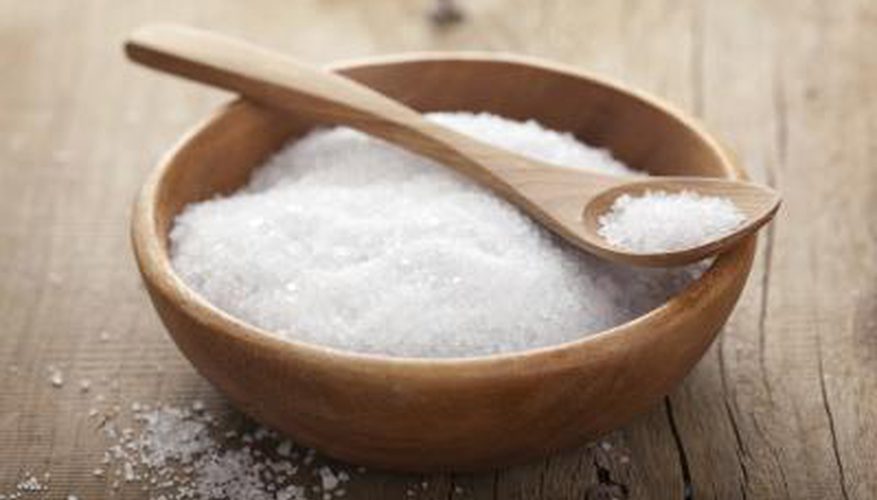
Salt strengthens the gluten structure, controls the rate of fermentation and enhances flavour. Without salt, dough can rise too quickly and produce a flat-tasting loaf. Although used in small amounts, it plays a vital role in both texture and taste.
Sugar and Sweeteners
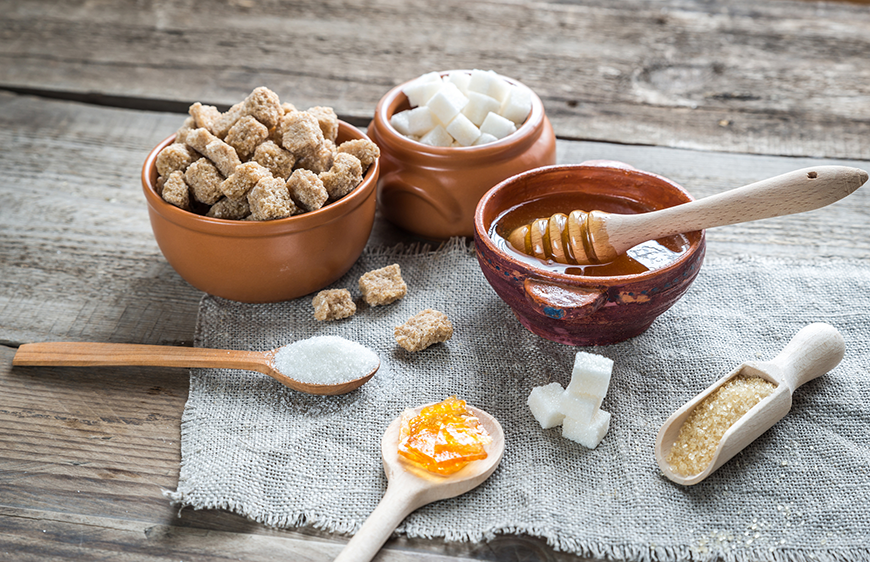
Sugar is not essential in every bread recipe, but small amounts can help feed the yeast and encourage browning of the crust. Sweeteners such as honey, golden syrup or molasses add flavour, colour and softness, particularly in enriched or sweet breads.
Fats (Butter, Oil or Lard)
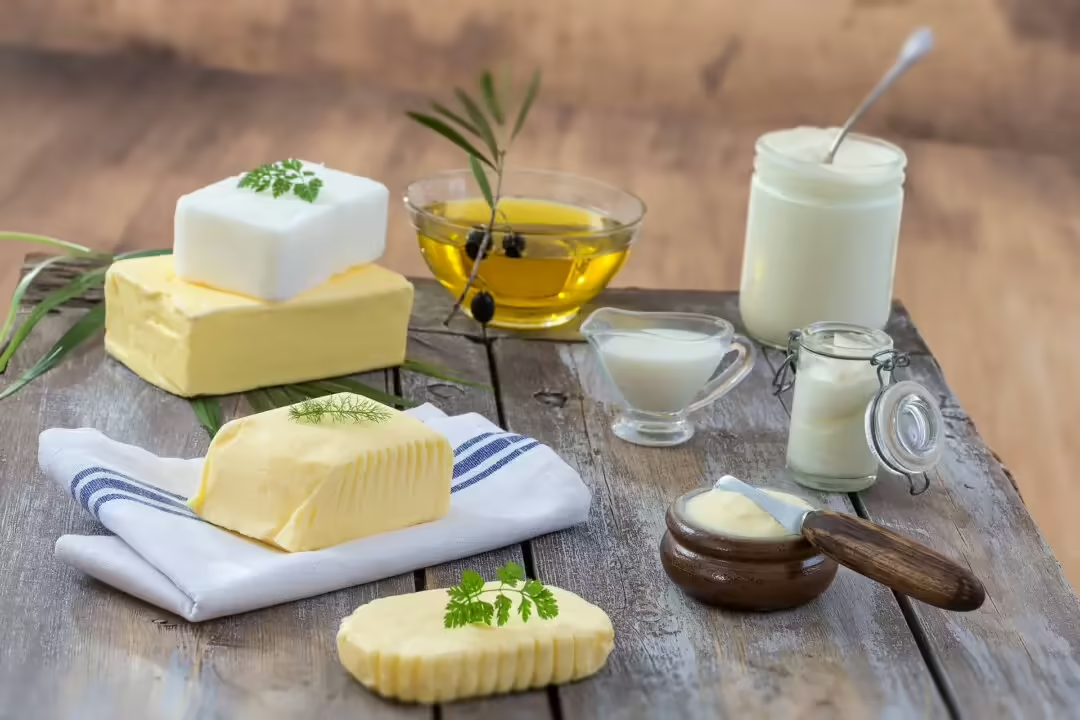
Fats enrich the dough and produce a softer crumb. They coat some of the gluten strands, slightly shortening them, which results in a more tender texture. Fats also help bread stay fresher for longer. Butter adds flavour, while oils create a soft, moist interior.
Dairy (Milk, Buttermilk, Cream)
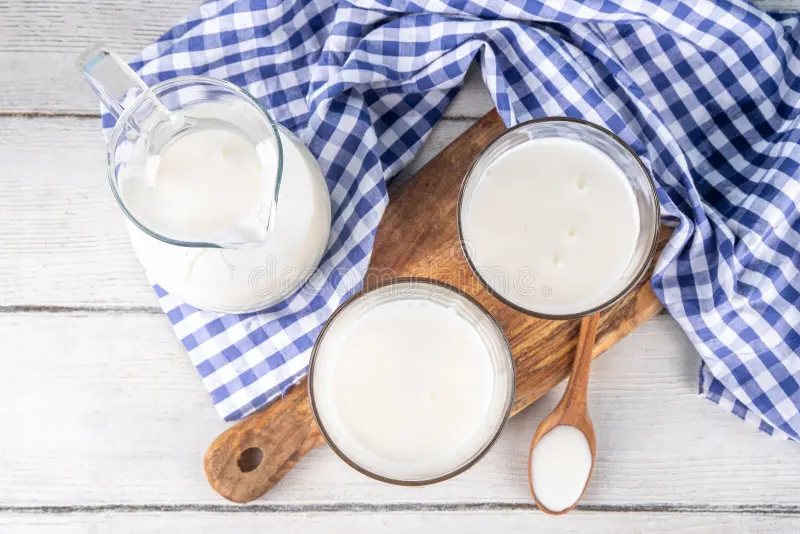
Milk and other dairy products contribute richness and improve texture. They can create a softer crumb and a gently coloured crust. Buttermilk adds a slight tang, while cream increases richness in certain recipes.
Eggs
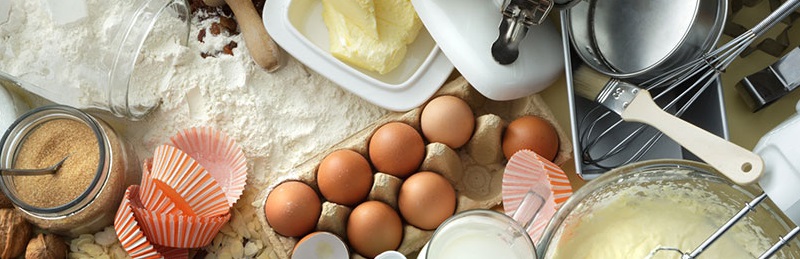
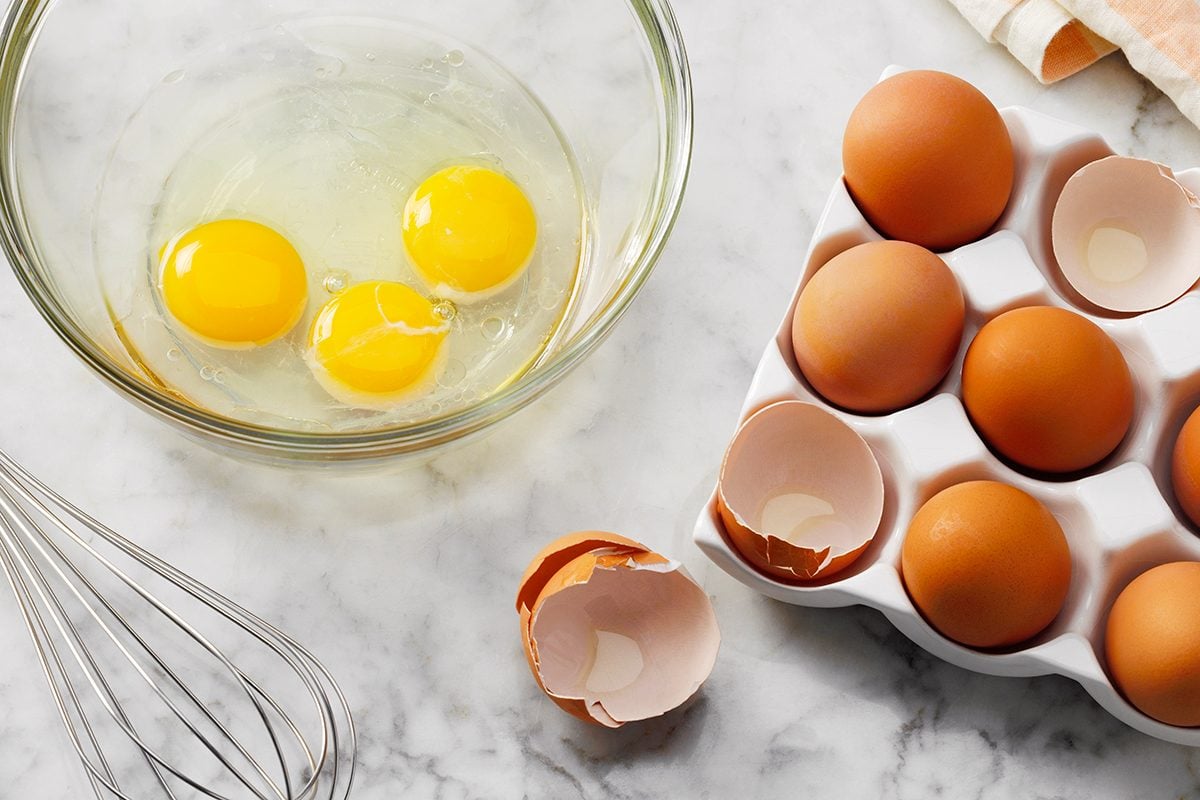
Eggs add colour, flavour and nutritional value. They enrich the dough and help produce a finer crumb and tender crust. Some recipes also use beaten egg as a wash before baking to give the loaf a glossy, golden finish.
Seeds, Nuts and Grains
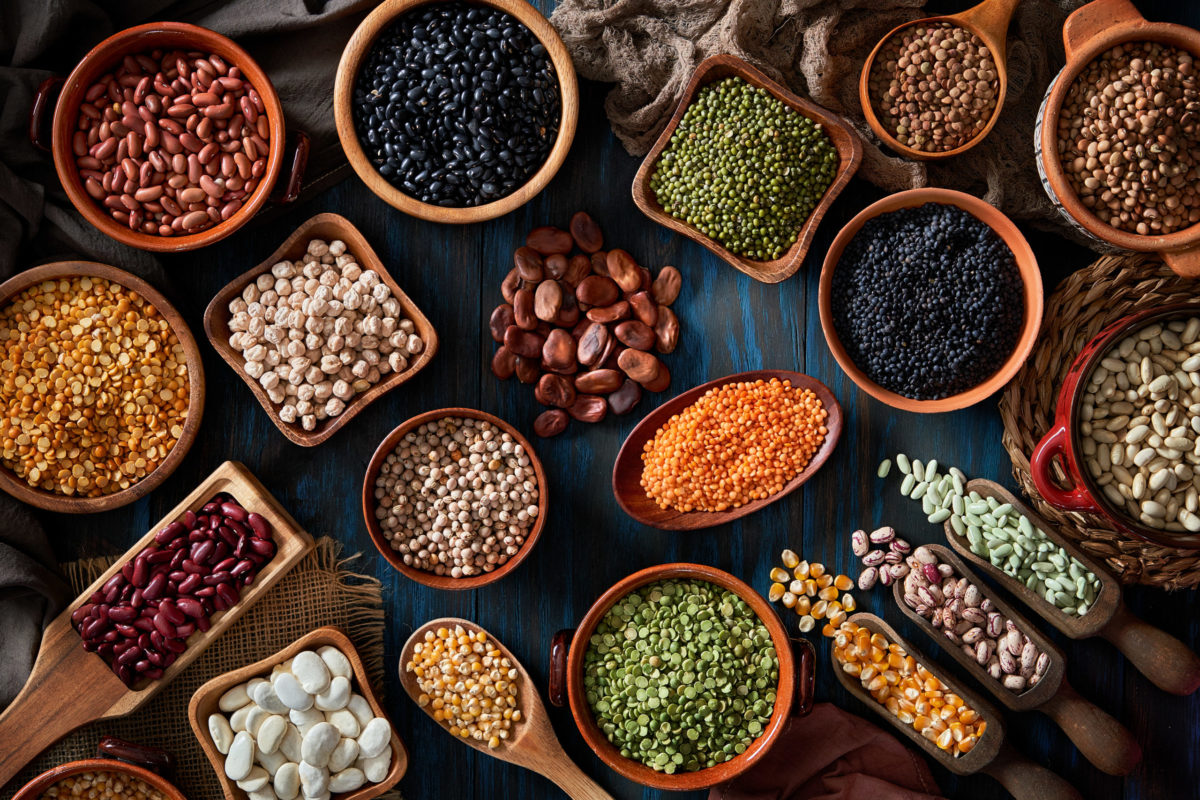
Seeds, nuts and additional grains are optional but popular additions. Sunflower seeds, pumpkin seeds, oats, flaxseed and chopped nuts add texture, flavour and visual appeal. They are especially common in wholegrain and artisan breads.
Natural Starters and Other Additions
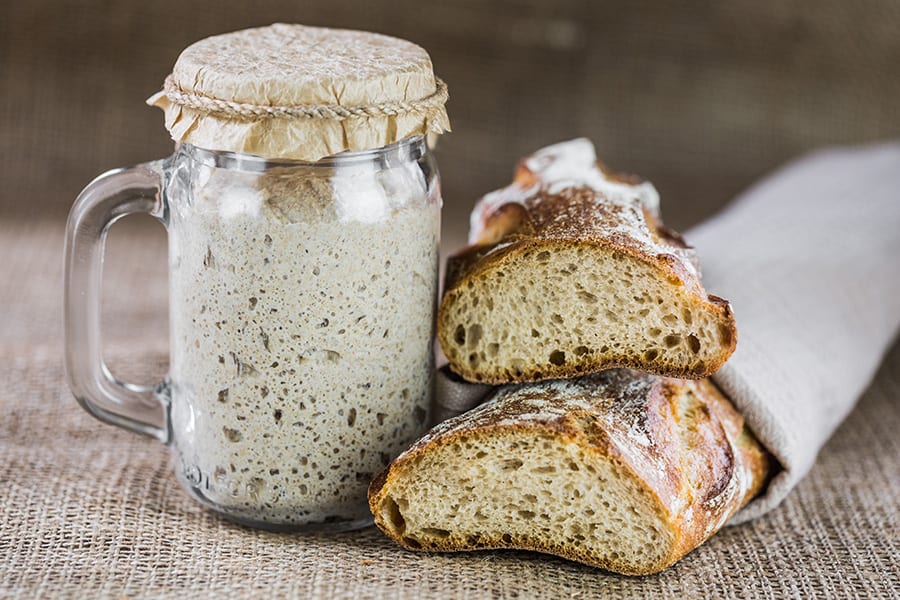
Some breads use a sourdough starter instead of commercial yeast. A starter is a natural mixture of flour and water that captures wild yeast and bacteria, creating a distinctive flavour and texture.
Herbs, spices, dried fruit and cheese can also be added to create savoury or sweet variations, allowing you to experiment once you are comfortable with the basics.